Materials
Polished, Honed, Leathered or Flamed? A Buyer’s Guide to Stone Finishes
Compare polished, honed, leathered, and flamed stone finishes. Discover their benefits, maintenance needs, applications, and how to choose the right finish.
Surfular Editorial Team · Updated · 8 min read
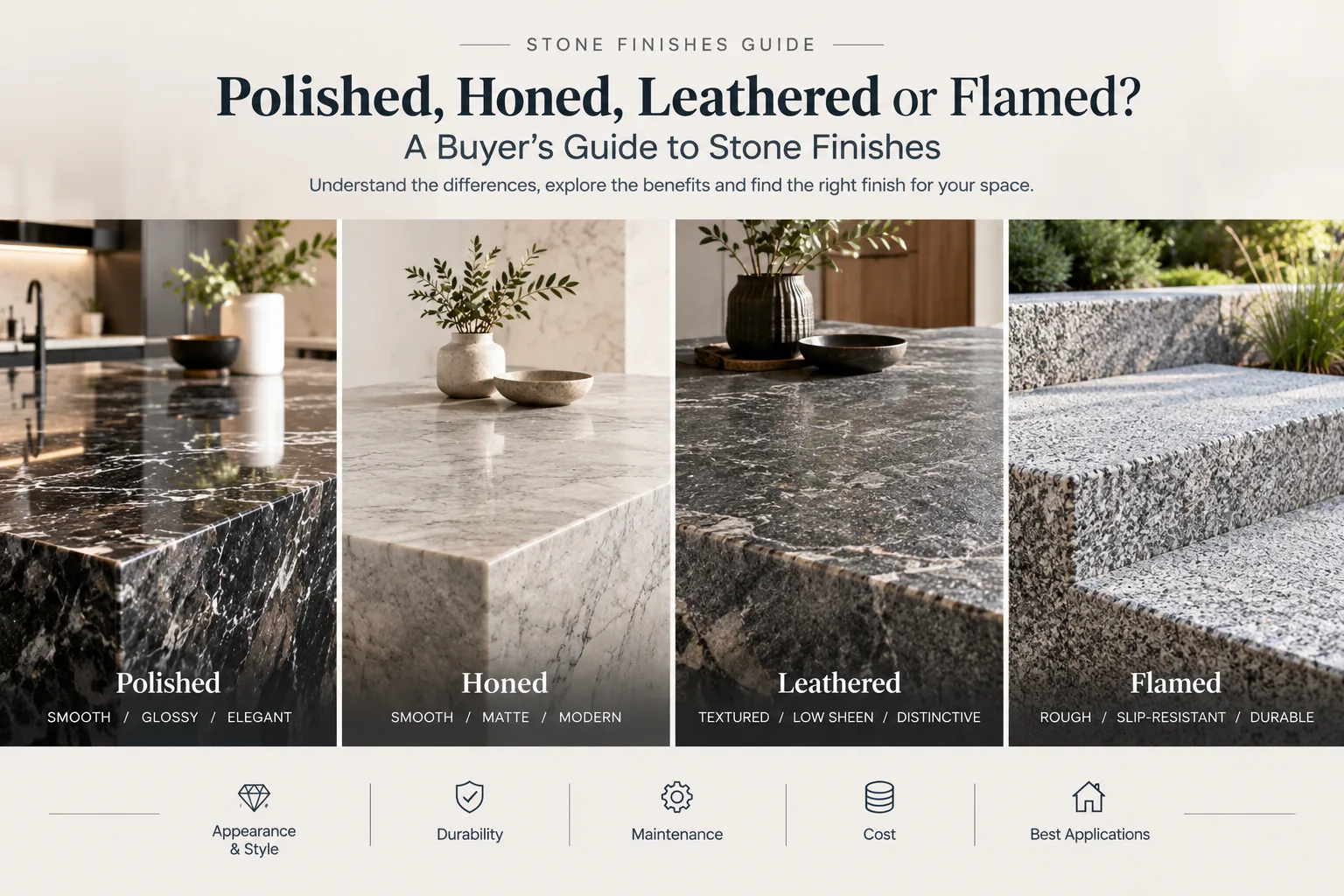
Choosing natural stone for a kitchen countertop, bathroom vanity, flooring, or outdoor space involves more than selecting the right color and pattern. The stone finish also plays an important role in determining the material’s appearance, texture, maintenance requirements, and suitability for different applications.
Among the most popular options are polished, honed, leathered, and flamed finishes. Each creates a different look and offers specific advantages depending on where the stone will be installed.
Whether you are a homeowner, architect, interior designer, stone fabricator, or building materials buyer, understanding these finishes can help you make a more informed purchasing decision.
In this guide, we explain the differences between polished, honed, leathered, and flamed stone finishes, including their benefits, applications, and maintenance requirements.
What Is a Stone Finish?
A stone finish refers to the surface treatment applied to natural stone, such as granite, marble, limestone, or other suitable materials. The finishing process changes the stone's texture, reflectivity, and overall appearance.
Some finishes create a smooth, reflective surface, while others produce a matte, textured, or rough appearance. The right choice depends on the type of stone, its intended application, design preferences, and practical requirements.
Before purchasing stone slabs, it is important to understand how each finish performs in everyday conditions.
1. Polished Stone Finish: Smooth and Glossy
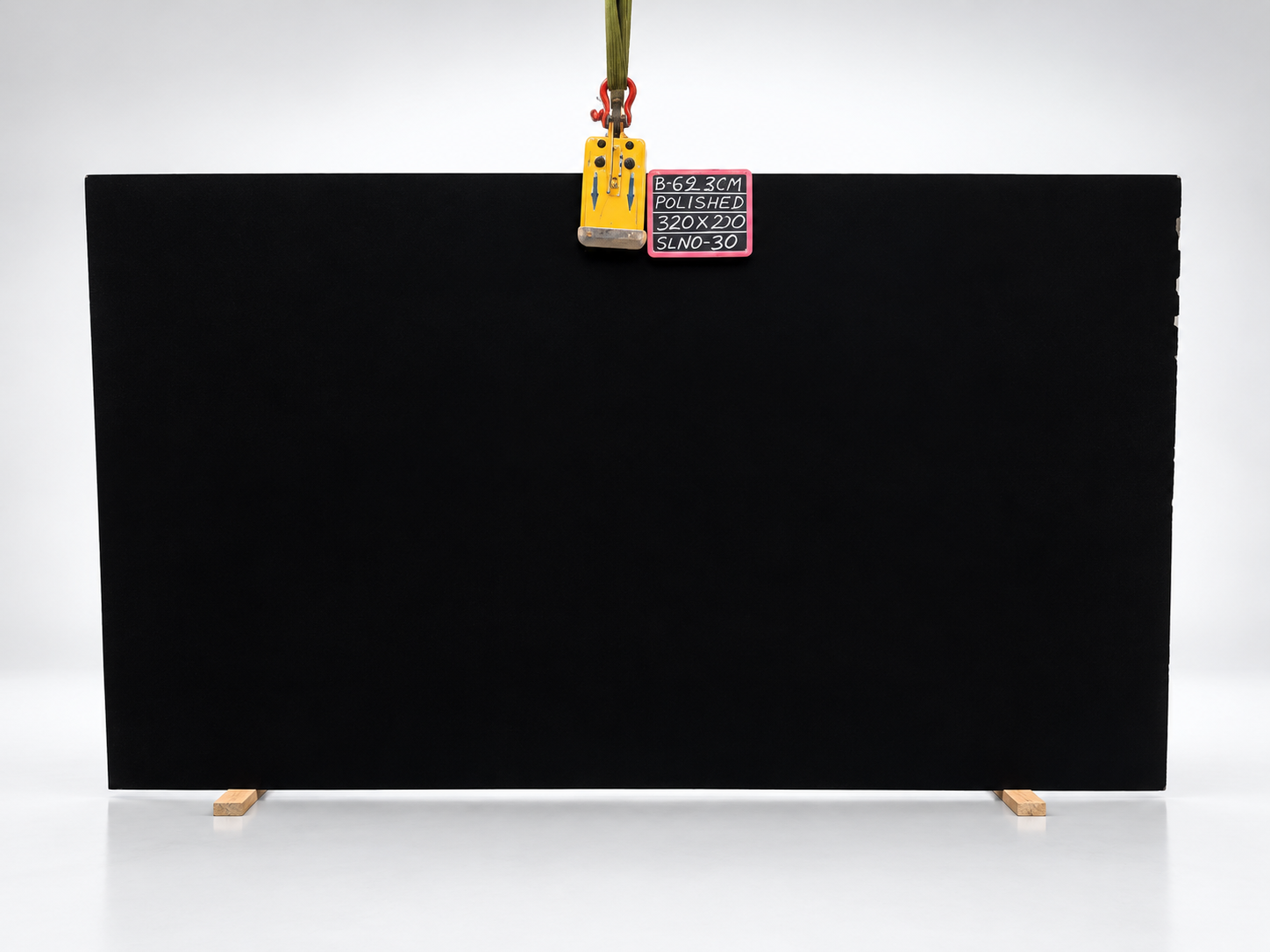
A polished finish is one of the most popular choices for natural stone surfaces. The stone is mechanically ground and polished until it develops a smooth, glossy surface that reflects light.
This finish enhances the stone's natural colors, patterns, and mineral details, making it particularly attractive for premium residential and commercial interiors.
Benefits of a Polished Finish
- Enhanced appearance: A glossy surface brings out the depth of the stone's colors and veining.
- Easy everyday cleaning: The smooth surface is generally easy to wipe clean.
- Versatile applications: Polished stone is widely used for countertops, wall cladding, vanity tops, and decorative interiors.
- Elegant visual appeal: It works particularly well in luxury kitchens, hotels, and high-end commercial spaces.
Best Applications
Polished granite is a popular choice for kitchen countertops because of its attractive appearance and practical surface characteristics. Polished marble is often selected for feature walls, decorative flooring, and bathroom vanities.
However, a polished surface can show fingerprints, water spots, and scratches depending on the stone and lighting conditions. A glossy finish may also become slippery when wet, so suitability for flooring should be evaluated carefully.
Best for: Luxury interiors, kitchen countertops, feature walls, and decorative surfaces.
2. Honed Stone Finish: Subtle and Matte
A honed finish creates a smooth surface with little or no shine. Instead of the reflective appearance of polished stone, honed stone offers a softer, understated look.
The surface is mechanically finished before reaching the high-gloss stage. This produces a contemporary aesthetic that works well with minimalist, modern, and natural interior design styles.
Benefits of a Honed Finish
- Soft appearance: The matte surface creates a calm, natural visual effect.
- Reduced glare: It reflects less light than polished stone.
- Contemporary styling: Honed stone complements modern kitchens, bathrooms, and understated interiors.
- Less visible fingerprints: Depending on the stone's color and texture, fingerprints and some surface marks may be less noticeable.
Best Applications
Honed marble is frequently used for bathroom vanities, flooring, fireplace surrounds, and kitchen surfaces where a matte appearance is preferred. Honed limestone can also complement natural and minimalist interiors.
However, a honed finish is not automatically stain-resistant or maintenance-free. Some stones, especially marble and limestone, are porous or sensitive to acidic substances. They may require appropriate sealing and prompt spill cleanup.
Best for: Modern interiors, matte countertops, bathroom surfaces, and understated architectural designs.
3. Leathered Stone Finish: Textured and Sophisticated
A leathered finish creates a subtly textured surface with a soft, tactile feel. It is commonly produced by brushing or mechanically texturing the stone after an earlier finishing stage.
The result often combines a low-sheen appearance with natural variations in texture. Leathered granite is particularly popular among buyers looking for something different from traditional polished surfaces.
Benefits of a Leathered Finish
- Distinctive texture: The surface adds depth and character to stone slabs.
- Natural appearance: It highlights the stone's mineral patterns without creating a highly reflective finish.
- Reduced glare: Its lower sheen suits spaces where a softer appearance is desired.
- Design flexibility: It complements rustic, industrial, contemporary, and luxury interiors.
Best Applications
Leathered granite is frequently selected for kitchen islands, countertops, bar tops, and feature surfaces. Its textured appearance can also work well in hospitality projects and distinctive commercial interiors.
Because the surface contains small variations and depressions, cleaning requirements depend on the particular stone and texture. Some leathered finishes may hold residue more readily than smoother surfaces, so buyers should inspect a sample before making a final decision.
Leathering is not a universal treatment for every stone. Its suitability depends on the material, its condition, and the fabricator's finishing process.
Best for: Statement kitchen islands, textured countertops, premium interiors, and distinctive design projects.
4. Flamed Stone Finish: Rough and Slip-Resistant
A flamed finish is created by exposing suitable natural stone, commonly granite, to intense heat. The sudden temperature change causes certain surface minerals to fracture or separate, producing a rough, textured appearance.
This finish is particularly valued for outdoor applications because its texture can provide better traction than a smooth, polished surface.
Benefits of a Flamed Finish
- Textured surface: The rough finish creates a rugged architectural appearance.
- Outdoor suitability: It is commonly used for exterior paving and other outdoor stone applications.
- Improved traction: The texture can help provide grip underfoot, although actual slip resistance depends on the stone, installation, and conditions.
- Durable design appeal: It suits landscapes, pathways, terraces, and contemporary exterior projects.
Best Applications
Flamed granite is often used for outdoor paving, garden pathways, steps, terraces, and commercial landscaping. It is also selected for certain exterior wall applications where a textured finish is desirable.
A flamed surface can be harder to clean than a smooth finish because dirt may collect in its texture. Not every stone is suitable for flaming, and the final surface should be assessed for the intended environment.
Best for: Outdoor flooring, pathways, terraces, steps, and landscaping projects.
Polished vs Honed vs Leathered vs Flamed: Key Differences
| Feature | Polished | Honed | Leathered | Flamed |
|---|---|---|---|---|
| Appearance | Glossy and reflective | Smooth and matte | Textured with low sheen | Rough and rugged |
| Surface feel | Very smooth | Smooth | Tactile and uneven | Coarse |
| Common uses | Countertops, walls | Floors, vanities, countertops | Islands, countertops | Outdoor paving, steps |
| Visual style | Classic and luxurious | Modern and understated | Natural and distinctive | Architectural and rustic |
| Cleaning | Generally straightforward | Generally straightforward | Depends on texture | May require more effort |
| Common materials | Marble, granite | Marble, limestone, granite | Commonly granite | Commonly granite |
The best finish depends on the stone type and its intended use. No finish is automatically the best choice for every project.
How to Choose the Right Stone Finish
Before placing an order, consider the following factors.
1. Identify the Application
Start by deciding where the stone will be installed. Kitchen countertops, bathroom floors, outdoor pathways, and decorative walls have different requirements.
Polished and honed finishes are popular for indoor applications, leathered finishes create textured statement surfaces, and flamed granite is commonly chosen for exterior paving.
2. Consider Maintenance Requirements
Think about how frequently the surface will be used and cleaned. Kitchens may require regular cleaning and protection against staining, while outdoor surfaces must withstand weather and environmental exposure.
Ask your supplier about sealing, cleaning products, and ongoing maintenance for the specific stone.
3. Match the Finish to Your Design
A polished finish can complement a luxurious interior, while a honed finish creates a softer, contemporary look. Leathered stone adds texture, and flamed stone can provide a rugged appearance for exterior spaces.
Consider the surrounding materials, cabinetry, lighting, and overall design theme before selecting a finish.
4. Check Slip Resistance
For flooring, especially in bathrooms, pool surrounds, entrances, and outdoor areas, do not choose a finish based on appearance alone.
Request relevant slip-resistance test data for the intended application. Performance can vary depending on the stone, surface treatment, moisture, contaminants, footwear, and installation conditions.
5. Inspect a Physical Sample
Photographs may not accurately represent the texture, reflectivity, or color of a stone finish. Request a sample or inspect the actual slab under suitable lighting.
For larger projects, confirm the finish specification with the supplier and fabricator before production begins.
Conclusion
Polished, honed, leathered, and flamed finishes each offer different advantages. Polished stone delivers a glossy, elegant appearance; honed stone creates a subtle matte look; leathered stone introduces tactile texture; and flamed stone provides a rugged surface commonly used outdoors.
The right choice depends on your design goals, application, maintenance expectations, and the characteristics of the stone itself.
Whether you are sourcing natural stone for a residential renovation or specifying materials for a commercial project, understanding these finishes helps you compare options with confidence.
Explore stone varieties, compare surface finishes, and consult a reliable stone supplier to find the right material for your next project.
Granite and Marble on Surfular
Browse all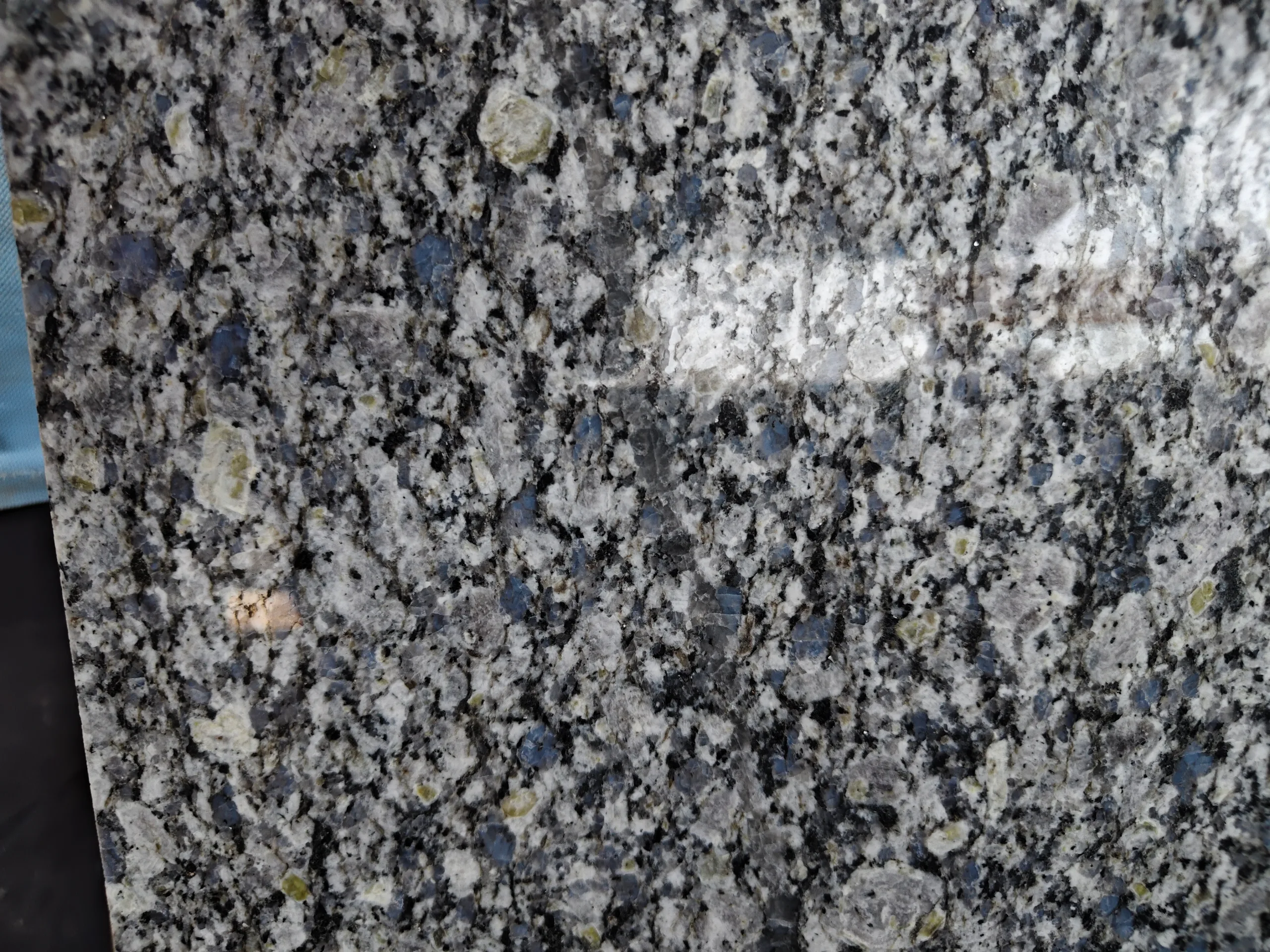
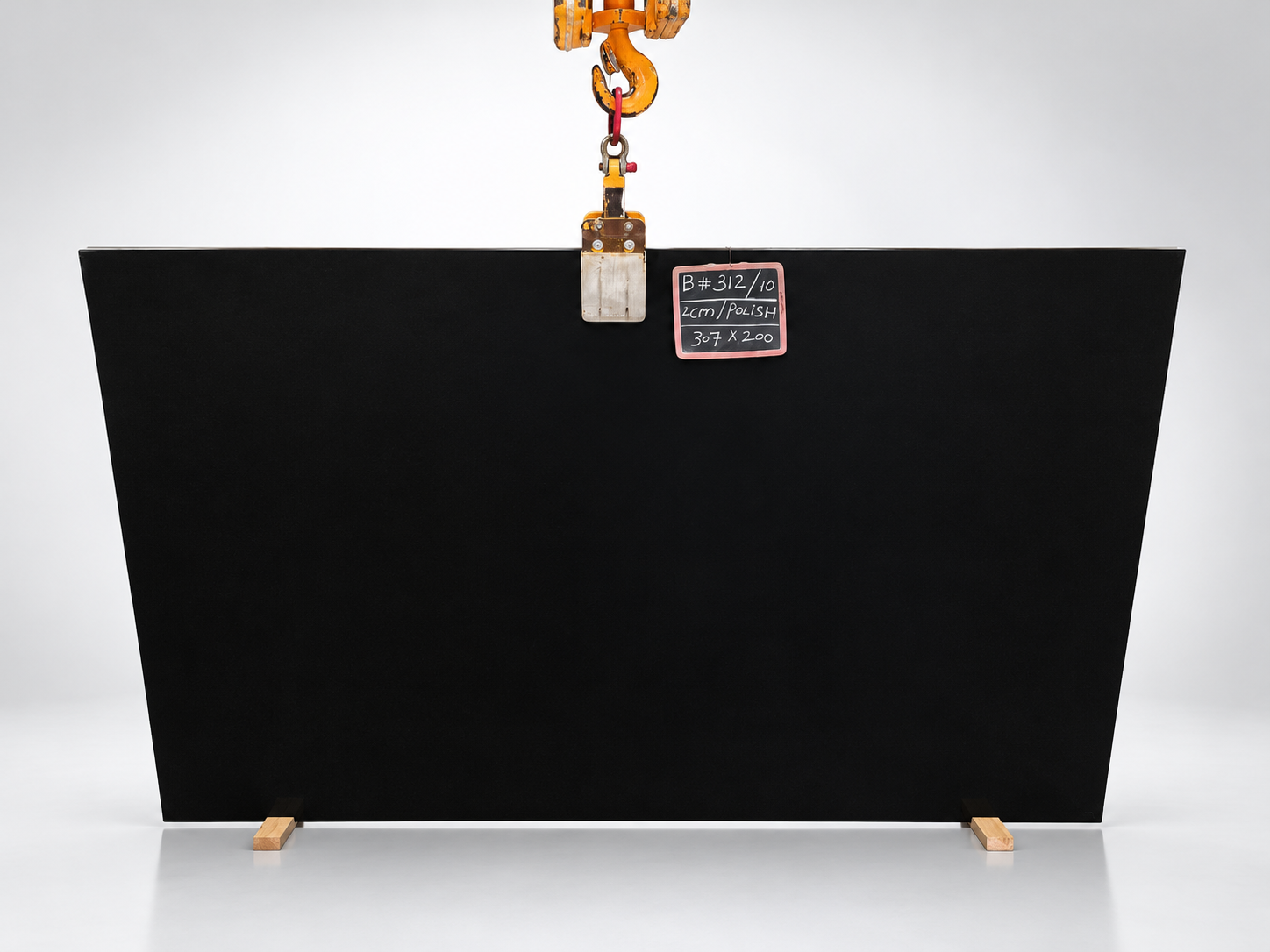
Source from verified suppliers
Tell us what you need once and get quotes from manufacturers and exporters on Surfular.
More articles
All articles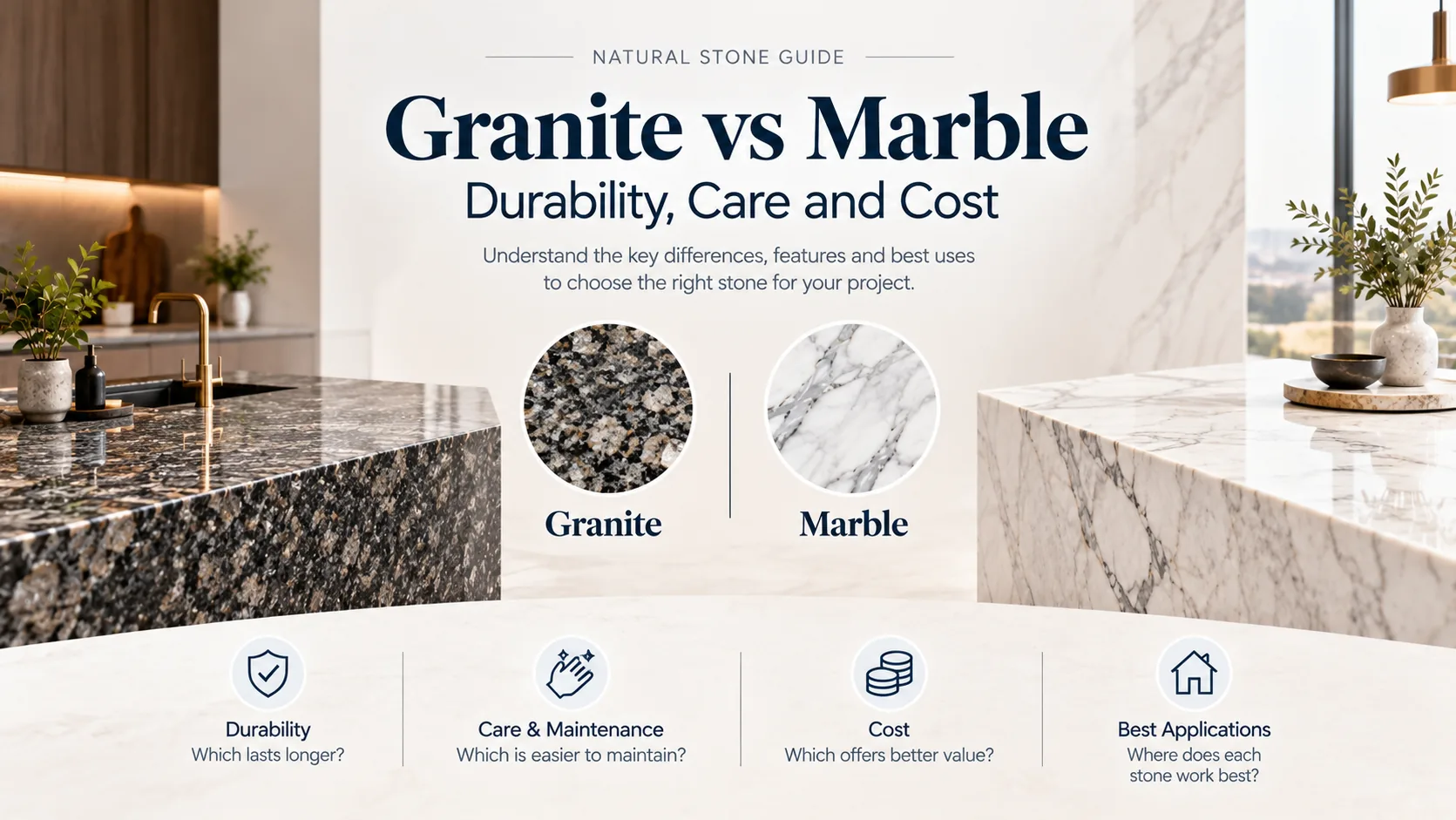 MaterialsDifference Between Granite vs Marble: Durability, Care and CostGranite vs marble compared: durability, maintenance, cost and best uses for countertops, floors and commercial projects, to help you choose the right stone. · 9 min readRead
 MaterialsDifference Between Quartz vs Granite: Which Is Better for Worktops and Projects?Compare quartz vs granite for worktops and projects. Explore durability, cost, maintenance, design options, and tips for choosing a reliable supplier.