Materials
Difference Between Granite vs Marble: Durability, Care and Cost
Granite vs marble compared: durability, maintenance, cost and best uses for countertops, floors and commercial projects, to help you choose the right stone.
Surfular Editorial Team · Updated · 9 min read
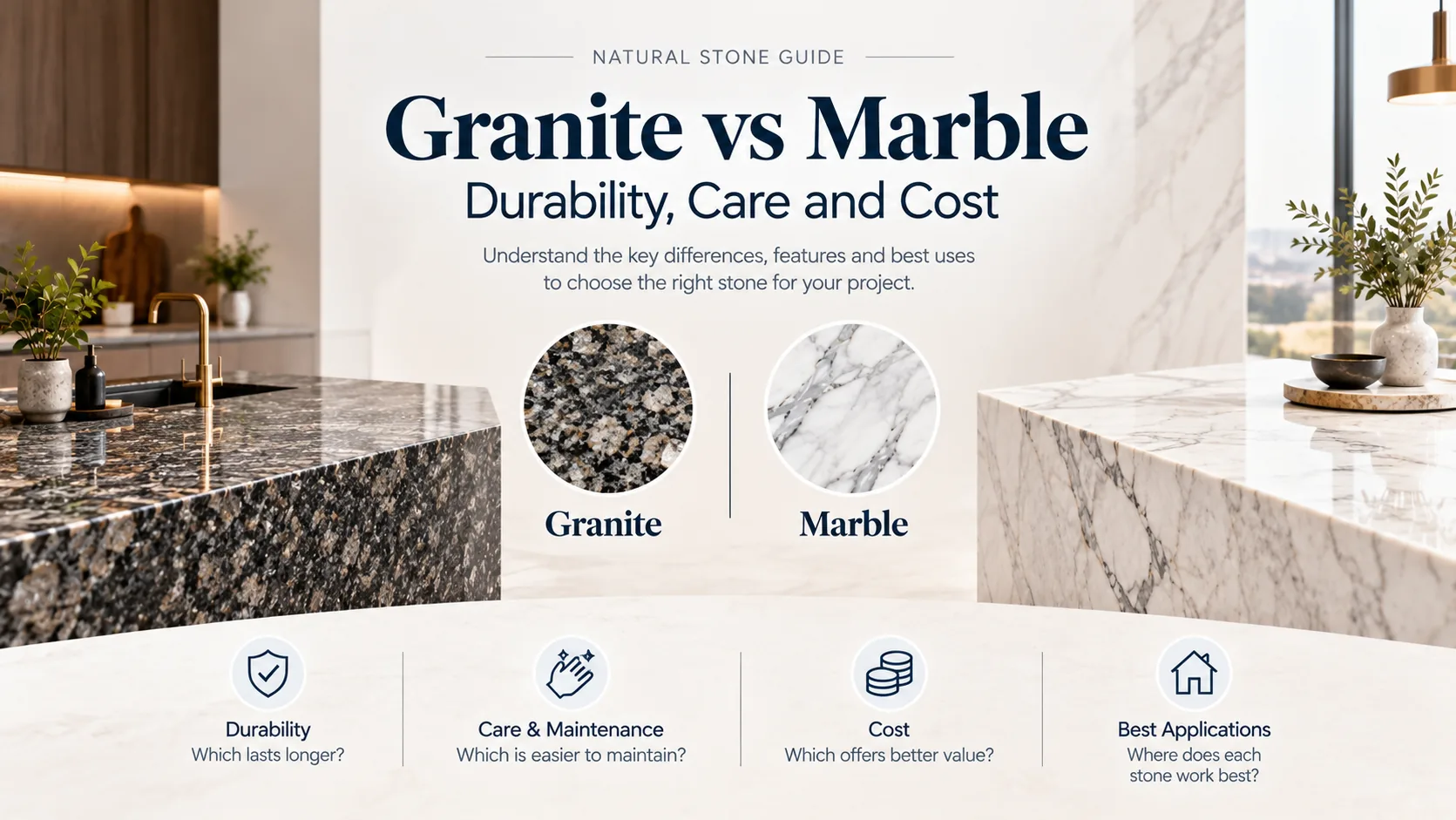
Granite and marble are two of the most popular natural stones used in residential and commercial construction. From kitchen countertops and bathroom vanities to flooring, staircases, and luxury hotel interiors, both materials offer distinctive beauty and long-lasting value. However, their differences in durability, maintenance, appearance, and cost can influence which stone is best for a particular project.
Understanding the difference between granite vs marble is important for homeowners, architects, interior designers, contractors, and stone distributors. While granite is generally known for its hardness and resistance to everyday wear, marble is valued for its elegant veining and timeless appearance.
In this guide, we compare granite and marble in terms of durability, care, cost, and applications to help you choose the right natural stone for your next project.
What Is Granite?
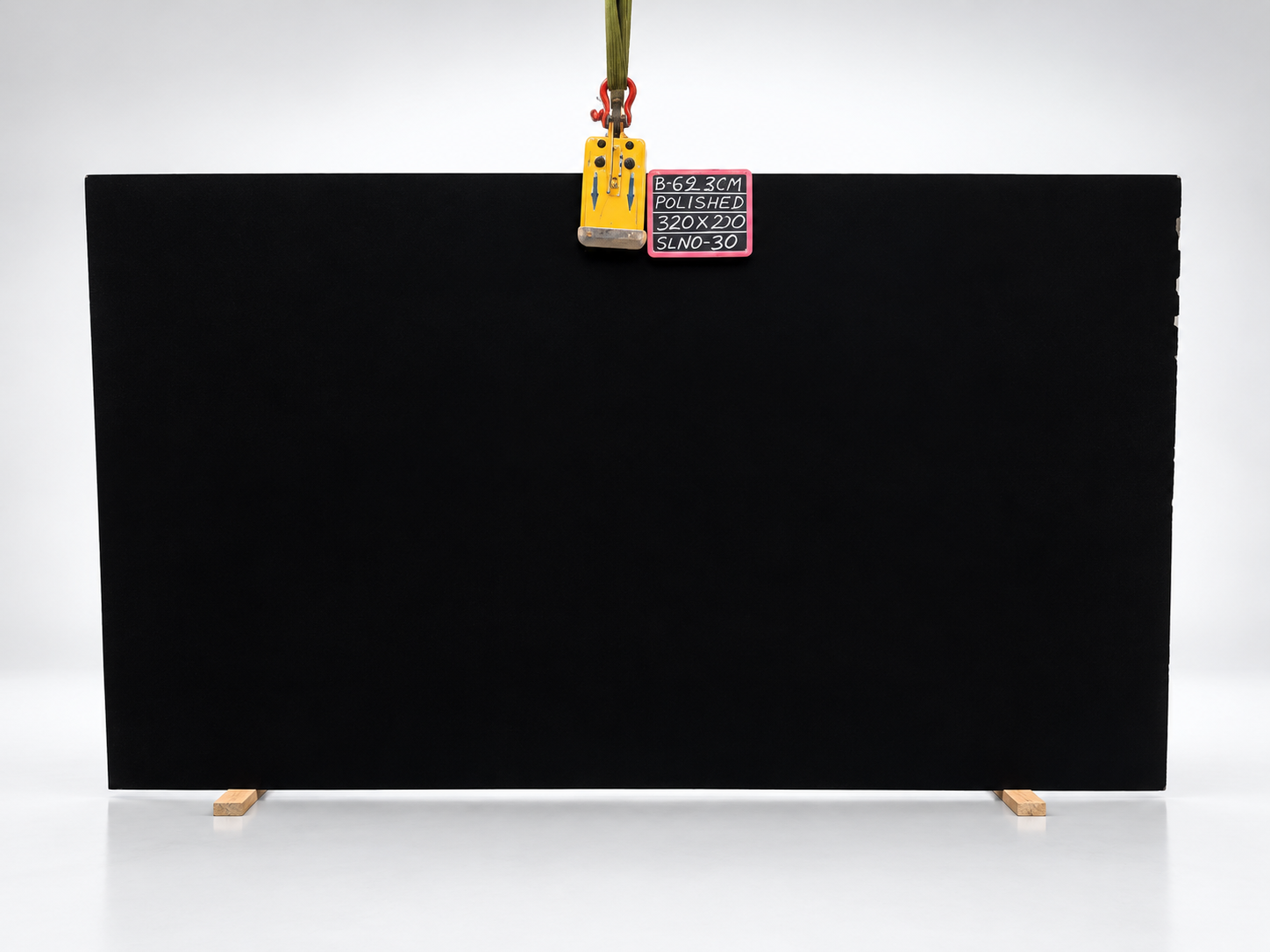
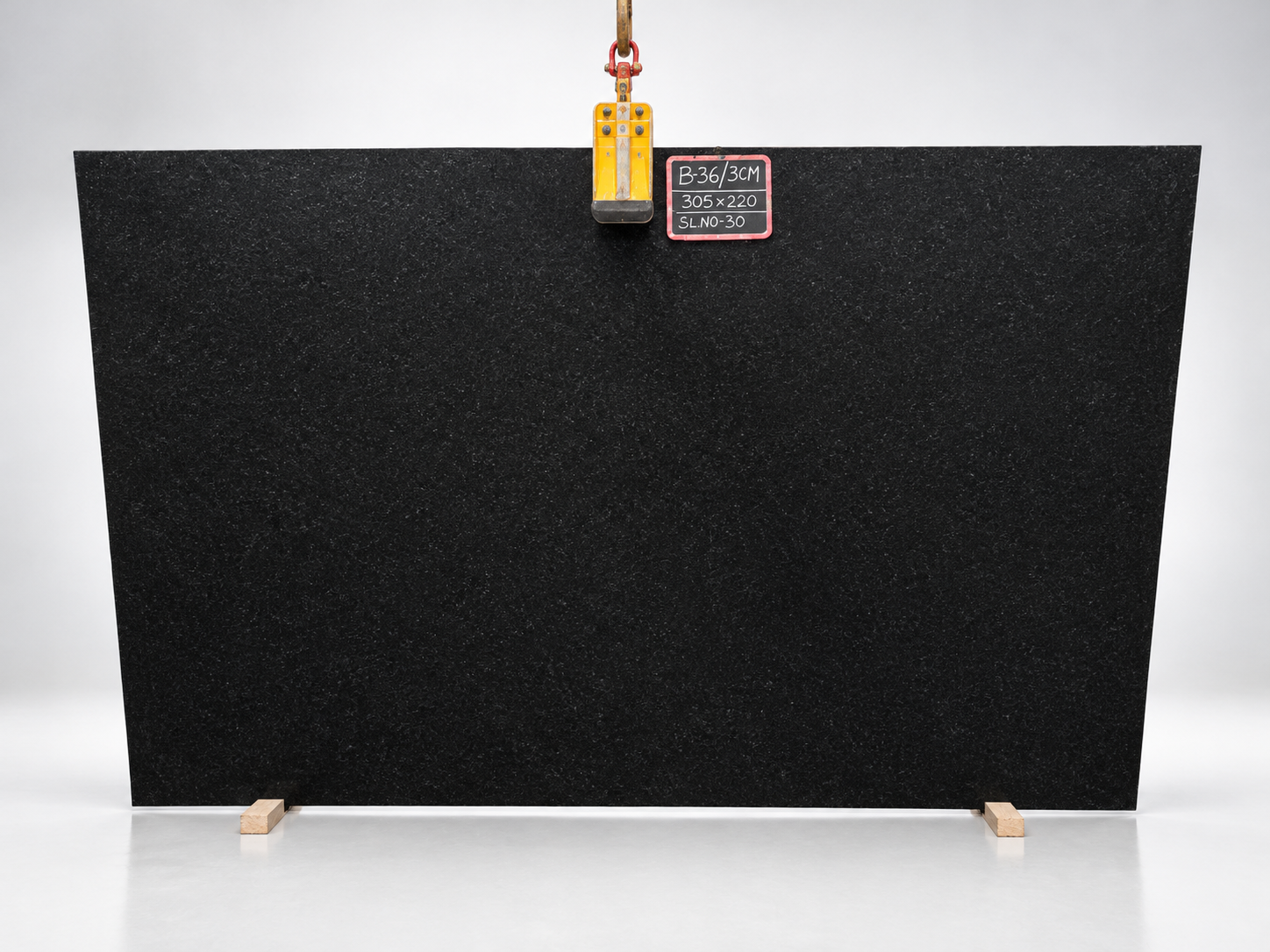
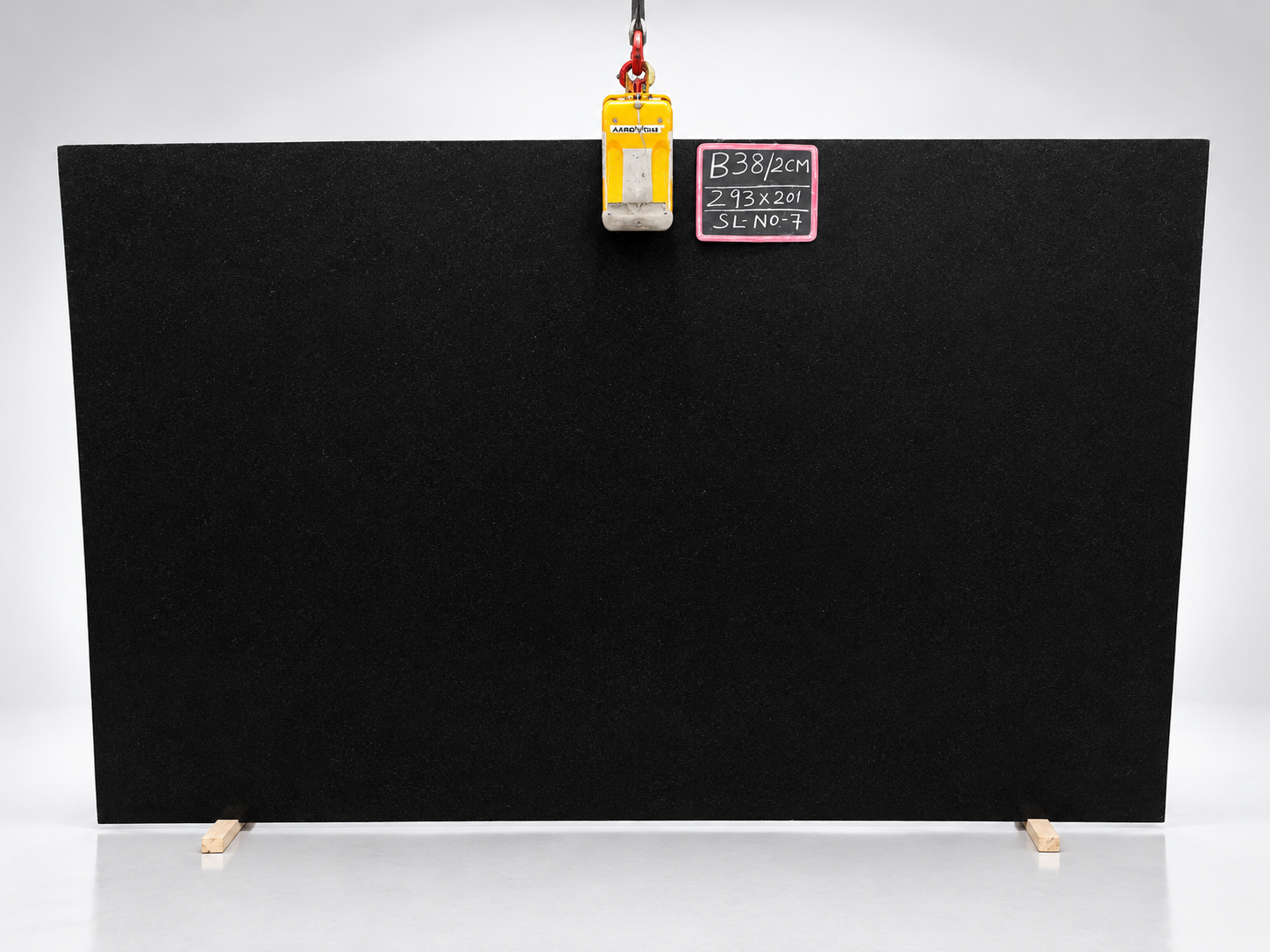
Granite is a natural igneous rock formed when molten material cools slowly beneath the Earth's surface. It primarily contains minerals such as quartz and feldspar, along with other minerals that contribute to its colour and texture.
Granite is recognised for its hardness, durability, and distinctive granular patterns. Depending on the variety, it can feature black, white, grey, beige, red, or other colour combinations.
Because of its strength and versatility, granite is commonly used for kitchen countertops, flooring, staircases, wall cladding, and selected outdoor applications.
Key Characteristics of Granite
- High hardness: Many granite varieties offer excellent resistance to everyday scratching and wear.
- Distinctive patterns: Natural mineral grains create unique surface appearances.
- Heat tolerance: Granite generally tolerates brief heat exposure better than many other countertop materials, although sudden temperature changes can cause damage.
- Versatile applications: Suitable for many residential, commercial, and outdoor projects.
- Variable porosity: Some varieties require sealing to reduce the risk of staining.
For buyers sourcing granite in bulk, working with a reliable granite supplier can help with slab selection, material specifications, stock availability, and delivery planning.
What Is Marble?
Marble is a metamorphic rock formed when limestone or dolostone undergoes heat and pressure. During this process, its mineral structure changes, often producing the flowing veins and patterns that make marble popular in luxury architecture.
Marble is available in many colours, including white, grey, beige, green, and black. Well-known varieties include Carrara, Calacatta, and Statuario, which are often selected for their distinctive veining and elegant appearance.
Marble is widely used for bathroom vanities, flooring, wall cladding, decorative features, and premium interior surfaces.
Key Characteristics of Marble
- Elegant veining: Natural mineral patterns create a sophisticated appearance.
- Distinctive colour variations: Every slab has its own visual characteristics.
- Workability: Marble is often easier to carve and shape than harder stones.
- Design flexibility: Suitable for classic, contemporary, and luxury interiors.
- Greater sensitivity to acids: Calcium-carbonate-rich marble can etch when exposed to acidic substances such as lemon juice or vinegar.
Although marble can be durable when properly selected and maintained, it generally requires more careful handling than granite in high-use kitchens.
Granite vs Marble: Key Differences
The main difference between granite and marble lies in their geological composition, surface characteristics, and maintenance requirements.
| Feature | Granite | Marble |
|---|---|---|
| Rock type | Igneous | Metamorphic |
| Appearance | Granular mineral patterns | Flowing veins and softer patterns |
| Hardness | Generally harder | Generally softer |
| Scratch resistance | Usually higher | Generally lower |
| Acid resistance | Varies; many varieties tolerate acids better than marble | More susceptible to acid etching |
| Heat tolerance | Generally good | Can tolerate some heat, but thermal shock remains a risk |
| Porosity | Varies by variety | Varies by variety |
| Sealing | May be required | May be required |
| Maintenance | Generally lower for demanding work surfaces | Requires more care to avoid etching and staining |
| Common applications | Kitchen countertops, floors, stairs, outdoor surfaces | Bathrooms, floors, feature walls, luxury interiors |
Actual performance varies by stone variety, finish, installation, and maintenance. Neither material is completely resistant to damage.
1. Durability: Is Granite Stronger Than Marble?
Durability is one of the most important factors when selecting natural stone for countertops, flooring, and commercial projects.
Granite is generally harder and more resistant to scratching than marble. This makes it a popular choice for busy kitchens, high-traffic floors, and surfaces that experience regular everyday use.
Marble is also a durable building material, but its softer mineral structure makes it more susceptible to scratches, surface wear, and etching. In kitchens, acidic foods and cleaning products can leave dull marks on polished marble surfaces.
Granite can also chip, crack, or stain under certain conditions, so proper fabrication and installation remain essential.
Which is better for durability? Granite is generally the more practical choice for heavily used kitchen worktops, while marble is often preferred for applications where visual elegance is the main priority.
2. Maintenance and Care: Which Stone Is Easier to Maintain?
Both granite and marble benefit from regular cleaning and appropriate care. However, marble usually requires greater attention because of its sensitivity to acids.
How to Care for Granite
- Clean regularly with a soft cloth and a suitable pH-neutral stone cleaner.
- Wipe up spills promptly, especially oils and staining liquids.
- Use cutting boards to protect the surface from scratches and knife damage.
- Avoid placing very hot cookware directly on the stone.
- Check whether the selected granite requires periodic sealing.
How to Care for Marble
- Use a pH-neutral cleaner formulated for natural stone.
- Avoid vinegar, lemon juice, acidic cleaners, and abrasive products.
- Wipe spills promptly to reduce staining and etching.
- Use coasters, cutting boards, and protective mats where appropriate.
- Apply a suitable sealer when recommended, understanding that sealing does not prevent acid etching.
For kitchens and other busy work areas, granite is generally easier to manage. Marble can remain beautiful for decades, but owners should be comfortable with additional care and the possibility of natural wear over time.
3. Cost: Is Granite More Expensive Than Marble?
The cost of granite and marble depends on several factors, including stone variety, origin, grade, colour, slab thickness, finish, availability, and transportation.
Standard granite varieties can be competitively priced and may offer good value for projects requiring durable surfaces. However, rare granite varieties can be expensive.
Marble prices also vary significantly. Common varieties may be affordable, while premium white marbles such as Calacatta and Statuario can command higher prices depending on the specific material and availability.
When comparing granite vs marble prices, consider the complete installed cost rather than just the slab price. Fabrication, edge profiles, cut-outs, transportation, installation, sealing, and maintenance can all affect the total budget.
For commercial projects and bulk purchases, request detailed quotations from suppliers and compare equivalent specifications before making a decision.
4. Appearance and Design: Which Looks Better?
Appearance is subjective, and both materials offer unique design possibilities.
Granite typically features speckled or granular patterns formed by its mineral composition. It works well in traditional kitchens, contemporary interiors, commercial spaces, and many outdoor settings.
Marble is known for its flowing veins and sophisticated visual movement. White marble varieties such as Carrara, Calacatta, and Statuario are especially popular in premium interiors.
If you prefer a bold, natural pattern that becomes a focal point, marble may be the better fit. If you want a durable surface with a wide range of colours and granular patterns, granite may suit your needs.
For a closer look at premium white marble varieties, read our related guide: Calacatta vs Carrara vs Statuario: How to Tell Marble Types Apart.
5. Best Applications: Where Should You Use Granite and Marble?
Choosing the right stone depends on the intended application, expected use, and maintenance requirements.
Best Uses for Granite
Granite is particularly suitable for:
- Kitchen countertops and islands.
- High-traffic residential and commercial flooring.
- Staircases and steps.
- Selected outdoor kitchens and exterior applications.
- Commercial surfaces requiring good resistance to everyday wear.
Before using granite outdoors, confirm that the selected variety and finish are appropriate for the climate, moisture exposure, and installation conditions.
Best Uses for Marble
Marble is particularly suitable for:
- Bathroom vanities and selected bathroom surfaces.
- Feature walls and decorative cladding.
- Luxury hotel and residential interiors.
- Flooring in suitable residential and commercial environments.
- Reception counters and statement architectural elements.
Marble can also be used for kitchen countertops, but owners should understand its sensitivity to acidic substances and its ongoing care requirements.
6. Granite vs Marble for Kitchen Countertops
For most busy kitchens, granite is generally the more practical natural-stone option because it is harder and usually more resistant to everyday scratching and acid damage.
Marble is an attractive choice for homeowners who value natural veining and a premium aesthetic. However, it can develop etching from acidic ingredients and may show wear more readily in heavily used areas.
The right choice depends on your lifestyle and expectations. If you prioritise ease of maintenance, granite is often preferable. If you value marble's appearance and accept the need for careful use, marble can be a rewarding option.
Buyers who want a marble-inspired appearance with different maintenance characteristics can also explore engineered quartz surfaces. To understand how these alternatives compare, read our guide: Quartz vs Granite: Which Is Better for Worktops and Projects?.
Conclusion
Granite and marble are both valuable natural stones, but they offer different benefits. Granite generally provides greater hardness, better resistance to everyday scratching, and practical performance for busy work surfaces. Marble stands out for its distinctive veining, timeless beauty, and suitability for elegant architectural features.
Before making your decision, compare the actual slabs, confirm their technical characteristics, and consider the total installed cost alongside maintenance requirements.
Whether you are an architect specifying materials, a contractor planning a project, or a buyer sourcing stone in bulk, choosing the right granite or marble variety can help balance design, performance, and long-term value. Working with a reliable stone supplier can also make it easier to verify specifications, assess availability, and select suitable materials for your project. Our guide on how to choose a reliable stone supplier covers what to check before you order.
Granite and Marble on Surfular
Browse all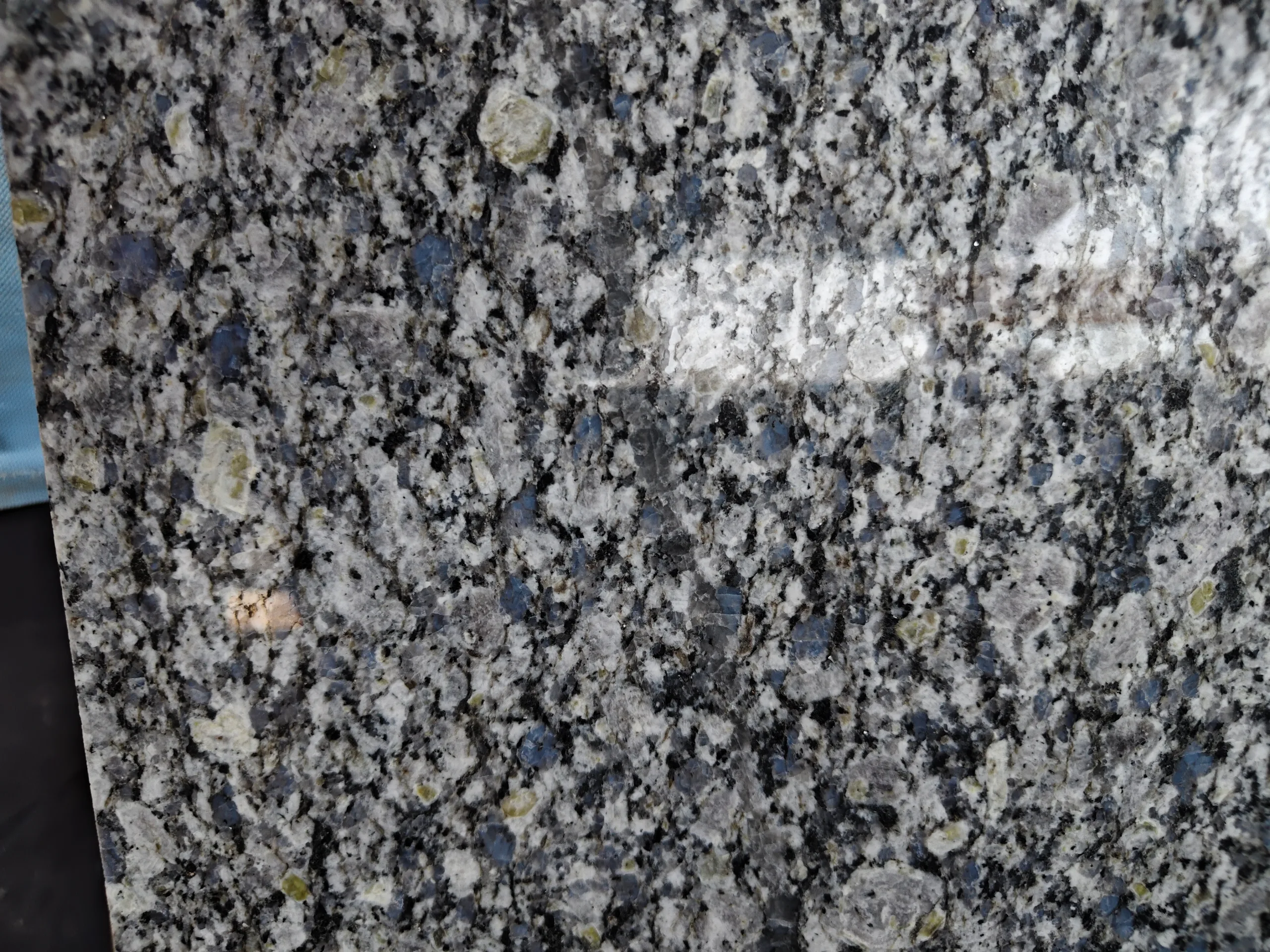
Source from verified suppliers
Tell us what you need once and get quotes from manufacturers and exporters on Surfular.
More articles
All articles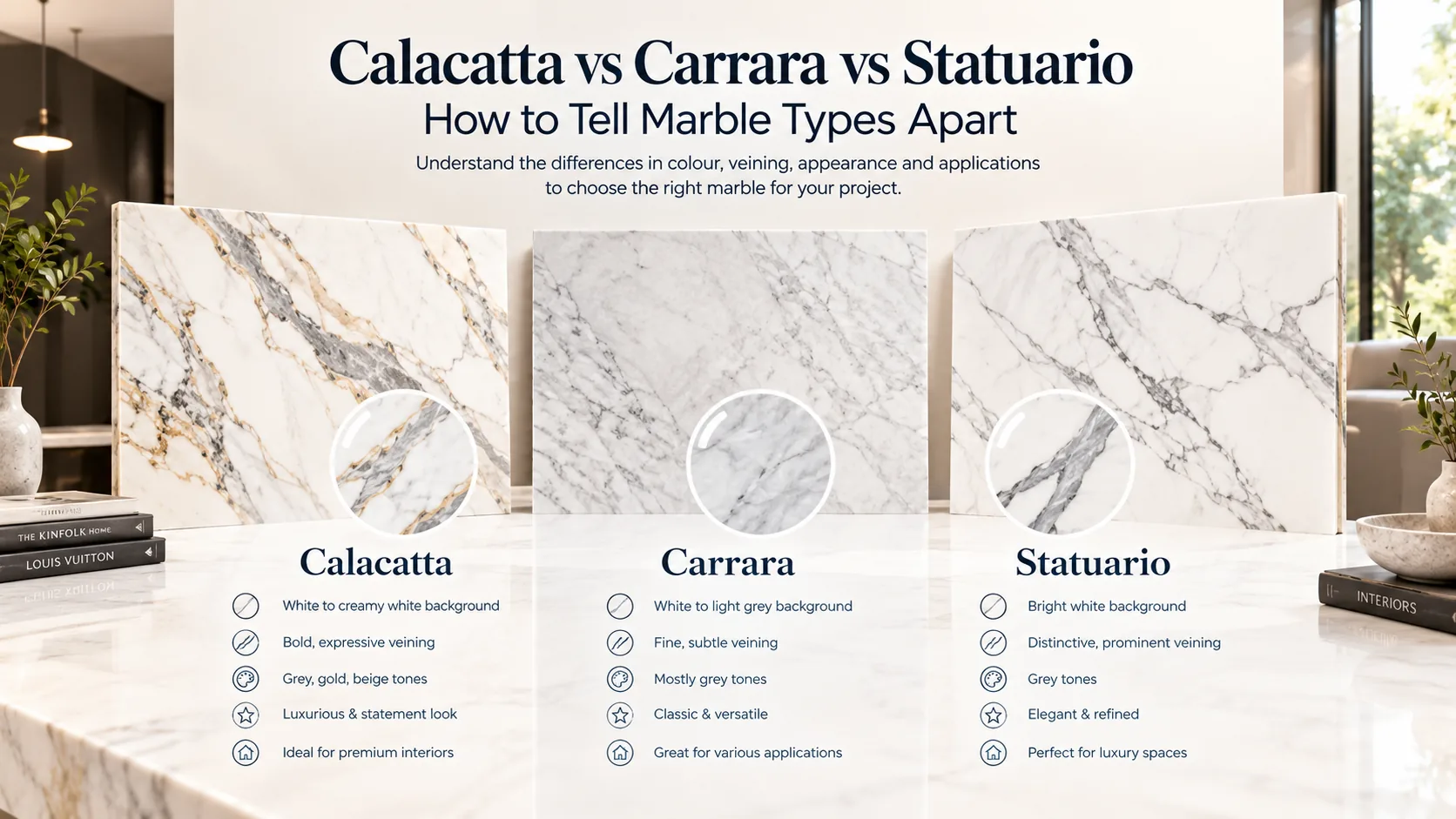 MaterialsCalacatta vs Carrara vs Statuario: How to Tell Marble Types ApartLearn how to tell Calacatta, Carrara, and Statuario marble apart. Compare colours, veining, price, applications, and marble alternatives for your project. · 9 min readRead
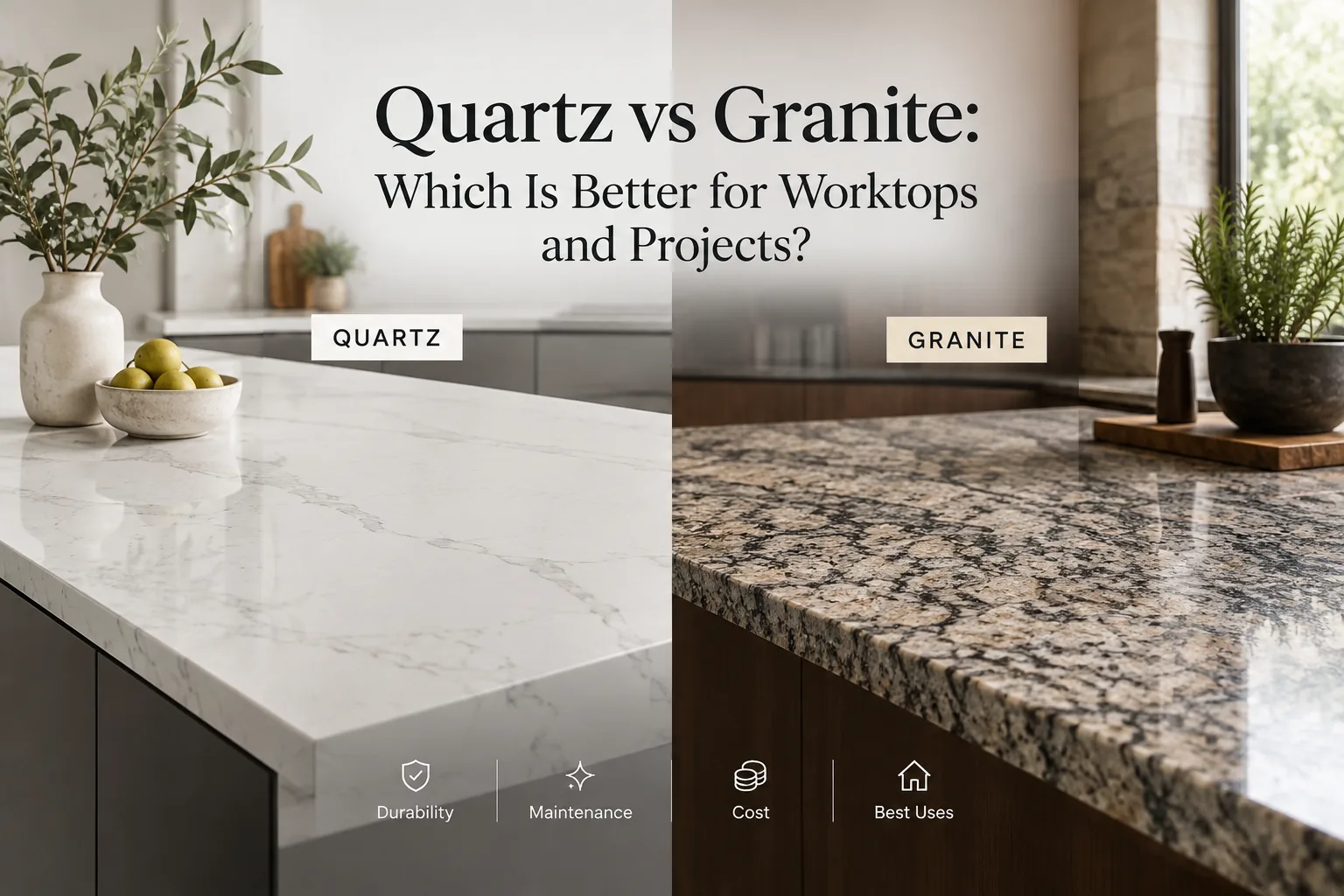 MaterialsDifference Between Quartz vs Granite: Which Is Better for Worktops and Projects?Compare quartz vs granite for worktops and projects. Explore durability, cost, maintenance, design options, and tips for choosing a reliable supplier.